


15 September 2026: Original Paper
Four Years of Clinical Experience With COVID-19 Outcomes in Heart Transplant Recipients
Agnieszka Kuczaj  ABCDEFG 1*, Szymon Warwas BCDEF 1, Mikołaj Tyrka BDEF 1, Błażej Skotnicki BDEF 1, Daniel Szymecki BDEF 1, Oliwia Jewuła BDEF 1, Joanna Śliwka ADEF 1, Szymon Pawlak ADEF 1, Piotr Przybyłowski ADEF 1, Tomasz Hrapkowicz ADEF 1
DOI: 10.12659/AOT.952888
Ann Transplant 2026; 31:e952888


Abstract
BACKGROUND: COVID-19 significantly impacted the outcomes of patients, particularly those with comorbidities, including solid organ transplant recipients. The aim of this study was to investigate the incidence and mortality of COVID-19, as well as to identify independent risk factors associated with COVID-19–related death in patients undergoing orthotopic heart transplantation (OHT).
MATERIAL AND METHODS: The study followed 556 heart transplant recipients at a high-volume transplant center in Poland from March 2020 to March 2024. Patients were classified as infected based on a positive result from reverse transcription-polymerase chain reaction (RT-PCR) tests or SARS-CoV-2 antigen rapid tests performed on nasopharyngeal swab samples.
RESULTS: In the analyzed cohort, 189 of 556 patients (33.99%; 40 women, 21.16%) were diagnosed with COVID-19 following OHT. In total, 15 patients (7.94%) experienced recurrent SARS-CoV-2 infections, with 1 patient being diagnosed 3 times. A total of 33 patients (5.94%) required hospitalization due to COVID-19. Among the entire study cohort, 75 patients (13.49%) died, with 18 of these deaths (24%) directly attributable to COVID-19. In the multivariable analysis, vaccination against COVID-19 was identified as a protective factor against death due to the virus (OR, 0.22; 95% CI, 0.07-0.68; P=0.009) while increasing age was associated with a higher risk of mortality (OR, 1.08; 95% CI, 1.02-1.14; P=0.008).
CONCLUSIONS: The lack of COVID-19 vaccination and advanced age significantly influenced the COVID-19–related mortality risk.
Keywords: COVID-19, Heart Transplantation, Immunosuppression Therapy, Mortality, SARS-CoV-2
Introduction
The outbreak of the COVID-19 pandemic necessitated a challenging response from the entire healthcare system to safeguard the lives and well-being of patients [1]. The first recorded case of COVID-19 in Poland was identified on March 4, 2020. Since then, up until July 21, 2024, the country had confirmed 6 666 508 cases [2]. The symptoms of SARS-CoV-2 infection have evolved over time and have been variant-dependent [3]. The course of SARS-CoV-2 infection varied among patients. COVID-19 is characterized by a wide range of symptoms, from asymptomatic cases (17.0%–33.3% of patients) to acute respiratory failure, shock, and multi-organ failure. SARS-CoV-2 infection may present differently in individuals with chronic diseases than in healthy individuals. It has been observed that the number of comorbidities negatively impacts the course of SARS-CoV-2 infection. This is a significant aspect, considering that one-third of the global adult population is estimated to have at least 2 chronic diseases [4]. The most common comorbidities that worsen prognosis are hypertension, diabetes, obesity, cardiovascular diseases, and chronic kidney disease [5]. Based on available collected literature data, immunocompromised patients are more susceptible to severe SARS-CoV-2 infection [5]. The literature is inconclusive regarding the effect of immunosuppression on SARS-CoV-2 infection. Some reports suggest that impaired immune function protects patients from a cytokine storm, thereby preventing severe and complicated disease [6]. However, other data indicate that immunosuppressed patients more frequently exhibit severe disease with complications [7]. The aim of this study was to determine the morbidity and mortality rates in a large single-center population of heart transplant recipients over time, as well as to identify independent risk factors associated with COVID-19–related deaths. Moreover, we aimed to analyze the epidemiological situation from the beginning of the COVID-19 pandemic to the present, taking into account the effect of the introduction of vaccinations and the emergence of various virus variants.
Material and Methods
STATISTICAL ANALYSIS:
Categorical variables are presented as counts and percentages, while continuous variables are expressed as medians with interquartile ranges (IQR), based on normality of distribution assessed using the Shapiro-Wilk test. To compare the COVID-19 mortality group with the survivors, chi-square or Fisher’s exact tests were employed for categorical variables, as appropriate, and Mann-Whitney U test was used for continuous variables. Logistic regression analysis was performed to identify independent predictors of COVID-19–related mortality in heart transplant recipients, with univariable and multivariable models constructed. A 2-sided
Results
Of the 556 patients, 100% were White, 132 (23.74%) were women. Median age of the patients was 58 years (IQR, 44–66). A total of 127 patients (22.84%) were classified as having obesity. The median creatinine level was 114 μmol/L (IQR, 91–146), while 282 (50.72%) patients had diabetes mellitus, and 429 (77.16%) had been diagnosed with arterial hypertension. In terms of the heart failure etiology, 268 (48.20%) patients had dilated cardiomyopathy and 192 (34.53%) had ischemic cardiomyopathy, 25 (4.50%) had hypertrophic cardiomyopathy, 18 (3.24%) had restrictive cardiomyopathy, 7 (1.26%) had arrhythmogenic right ventricular cardiomyopathy, 8 (1.44%) had valvular cardiomyopathy, 6 (1.08%) had peripartum cardiomyopathy, and 32 (5.76%) had other or unspecified forms of cardiomyopathy. The median follow-up time since transplantation was 3284 days (IQR, 1777–5882). The median time from OHT to COVID-19 equaled 1478 days (IQR, 509–4421). Regarding immunosuppressive therapy, 477 patients (85.79%) were treated with tacrolimus, while 56 (10.07%) received cyclosporine. A total of 140 patients received monotherapy with these drugs. Additional pharmacotherapy included mycophenolate used in 350 (62.95%) patients, everolimus in 70 (12.59%), and sirolimus in 19 (3.42%). Additionally, 90 patients (16.19%) remained on corticosteroid therapy, which is standard practice for up to 1 year after transplantation. In cases of severe SARS-CoV-2 infection, as assessed by the consulting physician, mycophenolate was temporarily reduced or discontinued. No dose adjustments of calcineurin inhibitors or mTOR inhibitors were made solely due to SARS-CoV-2 infection, particularly since hospitalization in a local hospital hindered the assessment of immunosuppressant levels. Any dose modifications of mTOR or calcineurin inhibitors were performed based only on prior measurement of drug levels in the blood. Immunosuppressive drug doses were adjusted to maintain therapeutic levels. Details of immunosuppressive therapy in this population have been reported in a separate publication [10]. Moreover, 95% of the patients received statins and 96%, acetylsalicylic acid. For antiviral and antibacterial prophylaxis, valganciclovir was administered until day 110, and sulfamethoxazole-trimethoprim was given for 6 months following transplantation. In the analyzed cohort, 189 (33.99%) patients (40 women [21.16%]), were diagnosed with COVID-19 following OHT. One patient was diagnosed twice, the first time before OHT and the second time after OHT. Additionally, 16 patients were diagnosed with COVID-19 prior to OHT. Fifteen patients (7.94%) experienced recurrent SARS-CoV-2 infections, with 1 patient being diagnosed 3 times. A total of 33 patients (5.94%) required hospitalization due to COVID-19. Among the entire study cohort, 75 patients (13.49%) died, with 18 of these deaths (24%) directly attributable to COVID-19. During the first period, 79 patients (14.21%) contracted COVID-19, with 5 deaths attributed to the infection. In the second period, 110 patients (20.11%) were infected, resulting in 11 deaths. In the third period, 26 patients (4.99%) were infected, with 2 deaths caused by COVID-19 (Figure 1).
Regarding COVID-19 vaccination, 9.28% of patients were vaccinated during the initial period. This was due to the fact that vaccination became available in December 2020, which was 3 months before the end of this observation period. In the following year, the percentage of vaccinated patients increased to 80.1%. The relationship between the incidence of COVID-19 cases and the percentage of vaccinated patients is shown in Figure 2. Significant differences in COVID-19 incidence were observed between the first and second periods (79 (14.21%) vs 110 (20.11%) patients,
To identify independent predictors of COVID-19–related mortality, a univariable logistic regression model was initially constructed. In this model, the lack of vaccination against COVID-19 (OR, 0.32; 95% CI, 0.11–0.94;
Subsequently, a multivariable logistic regression analysis was performed, including those variables that were statistically significant in the univariable analysis. In the multivariable analysis, vaccination against COVID-19 was identified as a protective factor against death due to the virus (OR, 0.22; 95% CI, 0.07–0.68;
Discussion
Between 2020 and 2023, Poland experienced a significant increase in mortality associated with the COVID-19 pandemic. In 2020 alone, the number of deaths reached 477 335, exceeding the 50-year average by over 100 000 [11]. According to data from the SARSTer program, conducted by the Polish Society of Epidemiologists and Infectious Diseases Physicians, the overall mortality rate among hospitalized patients with COVID-19 was 6.2% [12]. However, it should be noted that these figures may not fully reflect the actual mortality rate due to potential underreporting, especially during the early phase of the pandemic. Excess mortality served as a key indicator, encompassing both the direct COVID-19–related deaths and indirect consequences of the pandemic [13]. In the context of the COVID-19 pandemic, active immunoprophylaxis through vaccination is a particularly crucial preventive measure for these patients. However, in patients after transplantation, the use of protective vaccinations is usually associated with a weaker immune response compared to the general population [14–16]. In Poland, vaccinations began in December 2020, initially targeting healthcare workers and high-risk groups, including the elderly and immunosuppressed individuals undergoing pharmacological treatment (eg, anticancer drugs, corticosteroids) or post-transplant immunosuppression [17]. The start dates for vaccinations across Europe were similar, indicating comparable access to vaccines on the continent [18,19]. According to WHO data, as of 31 December 2023, vaccination coverage with at least 1 dose against COVID-19 in Poland stood at approximately 61% [20]. After the initial surge between May and July 2021 the vaccination rate slowed down [21]. In the analyzed cohort of 556 patients, the vaccination rate was 80.1%, suggesting that most patients opted for vaccination. This high percentage may be attributed to adherence to medical recommendations and increased awareness of the benefits of protection after heart transplantation.
The study was divided into 3 time periods, differing in terms of virus subtypes, availability of vaccinations, and public health measures implemented for the general population. These periods also varied in the number of infections and mortality rates observed in the general population [2]. Similar distinctions were observed within the analyzed population of heart transplant recipients. In the first period, 79 patients (14.21%) after OHT were infected, with 5 deaths reported. This can be attributed to the early phase of the COVID-19 pandemic in Poland, which was marked by insufficient resources and therapeutic options to effectively limit the incidence of infections and prevent mortality. Notably, the second period saw an increase in infections without a significant rise in mortality, compared with the first period. This pattern may be attributed, on one hand, to the relaxation of epidemiological restrictions, such as the lifting of indoor mask mandates and the discontinuation of quarantine measures, and on the other hand, to increasing vaccination rates in the population. Moreover, it is important to consider the increase in active immunity following the infection, which can last up to 2 years after recovery [22]. In the studied group, the vaccination rate significantly increased during the second period (9.28% vs 80.1%), which may have contributed to the relative reduction in mortality during this interval. A marked difference in infection and mortality rates was also observed between the second and third periods, with values significantly lower in the third period, consistent with national data on overall COVID-19 incidence in Poland [2]. We acknowledge that the number of infections in the third period may be underestimated due to the lifting of restrictions and the reduced prevalence of SARS-CoV-2 testing. Interestingly, during this period, the number of deaths did not increase in proportion to the recorded infections. This could potentially be explained by a lower virulence of subsequent virus variants in a population that may have already been exposed to the virus. In our study we have recorded a reinfection rate at approximately 8% occurring in vaccinated and unvaccinated patients. Similar SARS-CoV-2 reinfection rates were observed in other studies [23]. Notably, a higher incidence of COVID-19 was observed among patients in the early post-transplant period, consistent with previous reports in solid organ transplant recipients, potentially reflecting increased clinical surveillance [24]. In our study, lack of COVID-19 vaccination was identified as an independent risk factor for severe COVID-19 outcomes, including death. However, it should be noted that while vaccination aims to reduce the risk of severe disease and mortality, it does not fully protect against infection [25]. Studies have demonstrated that COVID-19 vaccination reduces the severity of infection [26], shortens the duration of hospitalization, and lowers the risk of COVID-19–related mortality [27]. Patients with comorbidities are at higher risk of severe infection compared with those without comorbidities [28], and hypertension is one of the most common comorbidities in people after organ transplantation [29,30]. In the present study, 77.2% of patients had hypertension. Based on our results, no statistically significant differences in the prevalence of hypertension were observed between survivors and those who died due to COVID-19. Similar findings were observed by Bottio et al in their study of heart transplant recipients [31]. In the general population, hypertension was not identified as an independent risk factor for COVID-19 mortality [32], which was also noted in our population. Diabetes is considered a significant risk factor for severe COVID-19 outcomes. Research shows that individuals with diabetes have an increased risk of hospitalization, severe complications, and mortality related to SARS-CoV-2 infection [33]. In our study, 50.9% of the total population had diabetes. Among those who died due to COVID-19, this percentage increased to 77%, compared with 50% in the survivor group (
Conclusions
In summary, our study revealed that nearly 40% of heart transplant recipients were diagnosed with SARS-CoV-2 since the onset of the COVID-19 pandemic. During this period, 24% of deaths within the cohort were directly attributable to the virus. We found that vaccination significantly reduced the risk of COVID-19–related mortality, while increasing age was identified as an independent risk factor for higher mortality. These findings emphasize the importance of vaccination in protecting heart transplant recipients and highlight the increased vulnerability of older heart transplant recipients.
Patient permission/consent declarations: The local bioethics committee concluded that, due to the retrospective and observational nature of the study, separate approval is not required (decision No. BNW/NWN/0052/KB/106/25)
Figures
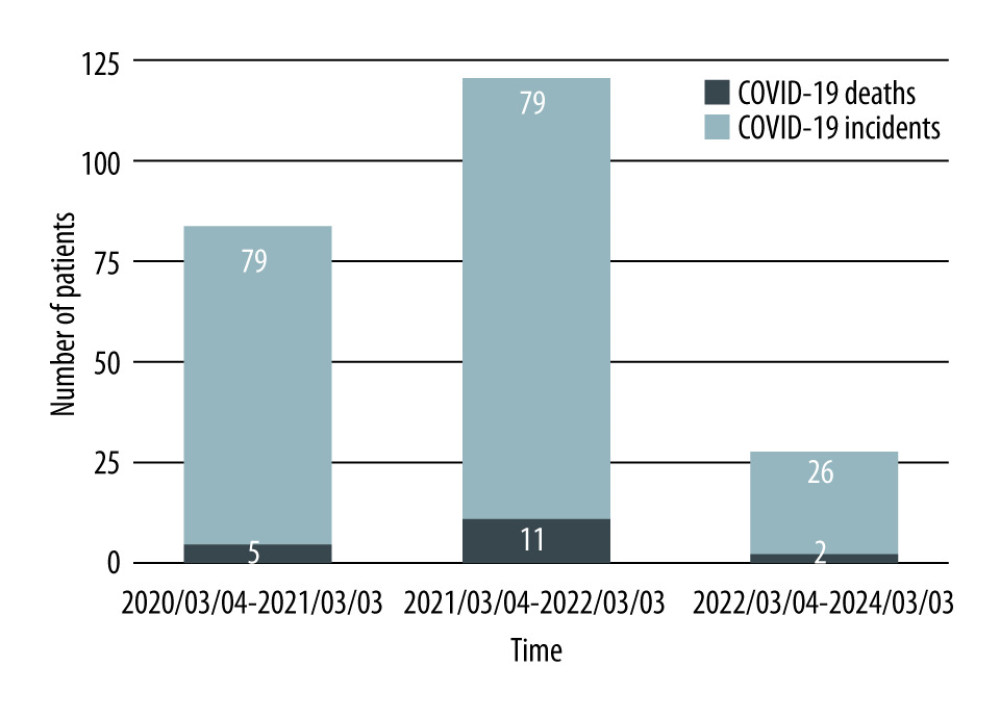 Figure 1. Number of COVID-19–related deaths and incidents in the study population.
 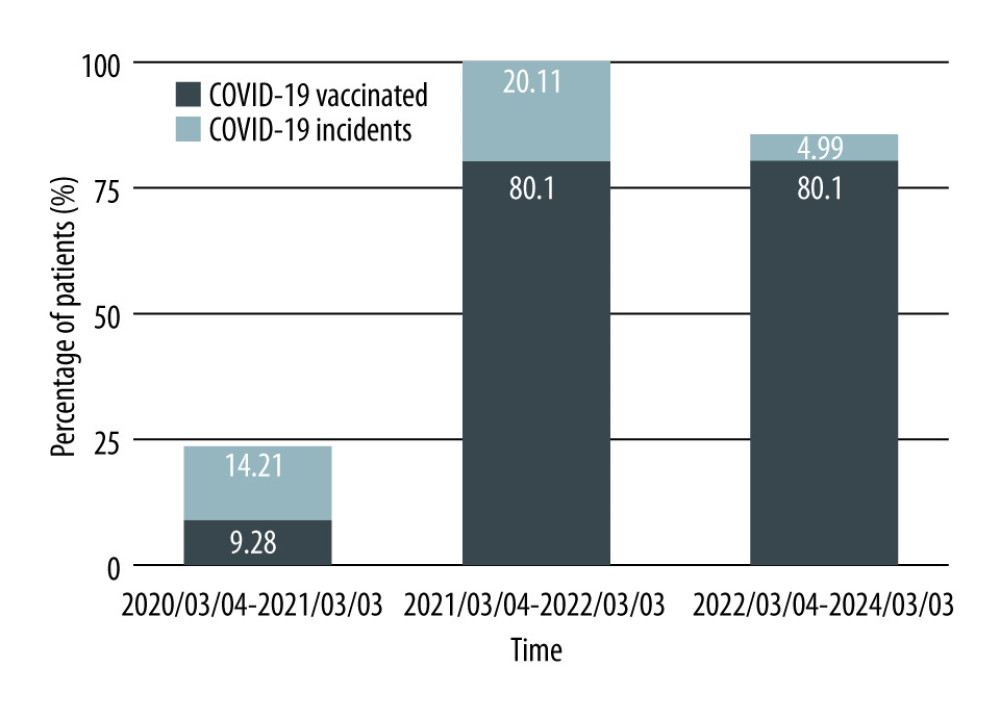 Figure 2. Incidence of COVID-19 and the proportion of vaccinated patients in the study population; vaccination status was defined as receipt of ≥ 2 doses of an mRNA vaccine or a single dose of a viral vector vaccine.
 Tables
Table 1. Clinical characteristics between COVID-19 survivors and non-survivors. Data are presented as median (IQR) or number (%).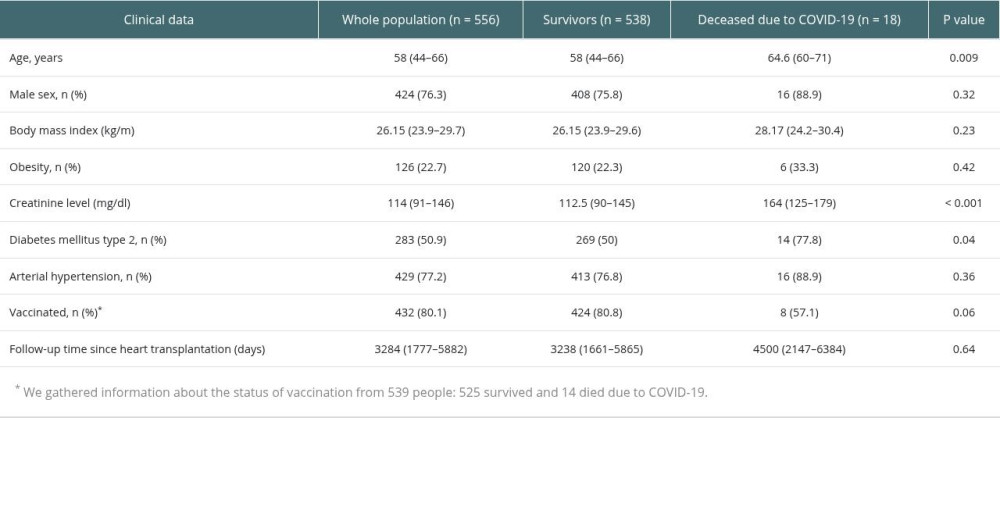 Table 2. Univariable analysis of the clinical factors related to death due to COVID-19.
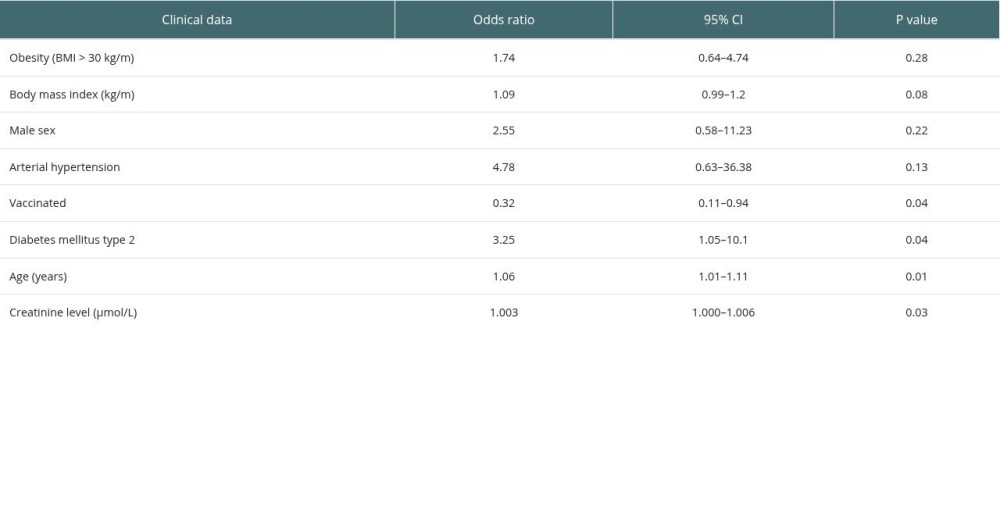 Table 3. Multivariable analysis of the clinical factors related to death due to COVID-19.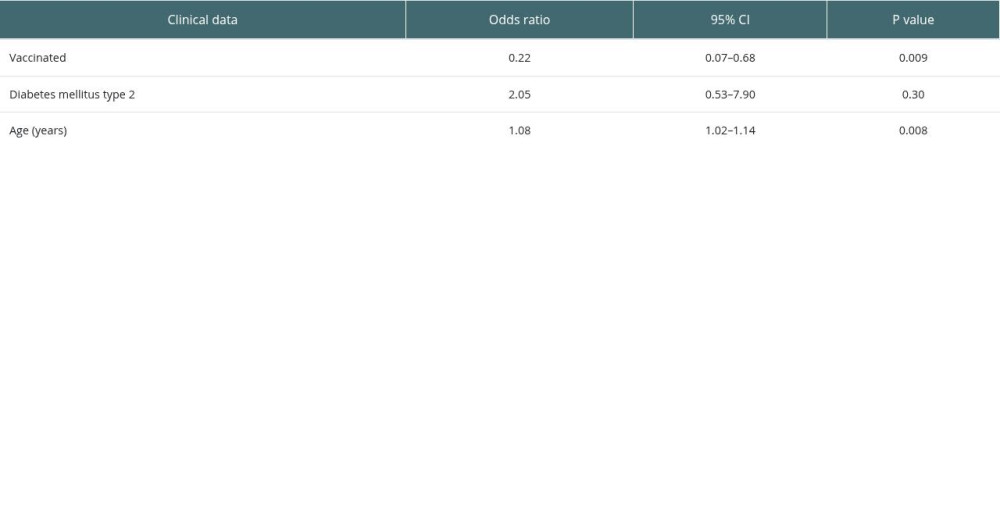
References
1. Pawlak S, Śliwka J, Kuczaj A, Treatment of pediatric patients with COVID infection after heart transplantation: Transplant Proc, 2022; 54(4); 905-7
2. : Raport zakażeń koronawirusem (SARS-CoV-2) – Koronawirus: informacje i zalecenia – Portal Gov.pl [cited 2024 Dec 07]. Available from: https://www.gov.pl/web/koronawirus/wykaz-zarazen-koronawirusem-sars-cov-2
3. Aleem A, Akbar Samad AB, Vaqar S, Emerging variants of SARS-CoV-2 and novel therapeutics against coronavirus (COVID-19): StatPearls [Internet], Treasure Island (FL), StatPearls Publishing [cited 2024 Dec 07] Available from: http://www.ncbi.nlm.nih.gov/books/NBK570580/
4. Nguyen H, Manolova G, Daskalopoulou C, Prevalence of multimorbidity in community settings: A systematic review and meta-analysis of observational studies: J Comorb, 2019; 9; 1-15
5. Fung M, Babik JM, COVID-19 in immunocompromised hosts: What we know so far: Clin Infect Dis, 2021; 72(2); 340-50
6. Abasian L, Jafari F, SeyedAlinaghi S, The comparison of clinical, laboratory, and radiological findings in immunocompromised and immunocompetent patients with COVID-19: A case-control study: Immun Inflamm Dis, 2023; 11(4); e806
7. Nowakowska E, Michalak SS, COVID-19-Disease caused by Sars-Cov-2 infection-Vaccine and new therapies research development: Adv Microbiol, 2020; 59(3); 227-36
8. : COVID [cited 2026 Mar 25]. Available from: https://www.aotm.gov.pl/tag/covid/
9. : COVID-19 Information for transplant professionals [cited 2026 Mar 25]. Available from: https://www.ishlt.org/about/covid-19-information
10. Kuczaj A, Warwas S, Tyrka M, The role of mTOR inhibitors in COVID-19 outcomes among heart transplant recipients: Viruses, 2026; 18(1); 29
11. Murkowski R, Nadmierna umieralność w Polsce podczas pandemii COVID-19 w 2020 roku: Wiad Stat, 2021; 66(7); 7-23 [in Polish]
12. Flisiak R: Mortality due to COVID-19: Data from the SARSTer database [cited 2024 Dec 09] Available from: http://www.pteilchz.org.pl/wp-content/uploads/2020/12/%C5%9Amiertelno%C5%9B%C4%87-w-COVID-19-SARSTer-6-12-2020.pdf
13. Pikala M, Krzywicka M, Burzyńska M, Excess mortality in Poland during the first and second wave of the COVID-19 pandemic in 2020: Front Public Health, 2022; 10; 1048659
14. Karbasi-Afshar R, Izadi M, Fazel M, Khedmat H, Response of transplant recipients to influenza vaccination based on type of immunosuppression: A meta-analysis: Saudi J Kidney Dis Transpl, 2015; 26(5); 877-83
15. Salles MJC, Sens YAS, Boas LSV, Machado CM, Influenza virus vaccination in kidney transplant recipients: Serum antibody response to different immunosuppressive drugs: Clin Transplant, 2010; 24(1); E17-E23
16. Sanchez-Fructuoso AI, Prats D, Naranjo P, Influenza virus immunization effectivity in kidney transplant patients subjected to two different triple-drug therapy immunosuppression protocols: Mycophenolate versus azathioprine: Transplantation, 2000; 69(3); 436-39
17. : Narodowy Program Szczepień przeciw COVID-19 – Szczepienie przeciwko COVID-19 – Portal Gov.pl [cited 2024 Dec 09]. Available from: https://www.gov.pl/web/szczepimysie/narodowy-program-szczepien-przeciw-covid-19
18. : The incredible journey of COVID-19 vaccines: From labs to jabs [cited 2024 Dec 09]. Available from: https://www.consilium.europa.eu/en/covid-vaccine-journey
19. : COVID-19 vaccination campaigns launched across Europe [cited 2024 Dec 09]. Available from: https://www.aa.com.tr/en/europe/covid-19-vaccination-campaigns-launched-across-europe/2090420
20. : WHO COVID-19 dashboard, COVID-19 vaccination [cited 2024 Dec 09]. Available from: https://data.who.int/dashboards/covid19/vaccines
21. Mirska B, Zenczak M, Nowis K, The landscape of the COVID-19 pandemic in Poland emerging from epidemiological and genomic data: Sci Rep, 2024; 14(1); 14416
22. Guo L, Zhang Q, Gu X, Durability and cross-reactive immune memory to SARS-CoV-2 in individuals 2 years after recovery from COVID-19: A longitudinal cohort study: Lancet Microbe, 2024; 5(1); e24-e33
23. Bowe B, Xie Y, Al-Aly Z, Acute and postacute sequelae associated with SARS-CoV-2 reinfection: Nat Med, 2022; 28(11); 2398-405
24. Kolonko A, Kuczaj AA, Musialik J, Clinical insights into the role of immunosuppression in solid organ transplant recipients with COVID-19: Pol Arch Intern Med, 2021; 132(2); 16139
25. Georgakopoulou VE, Gkoufa A, Tsakanikas A, Predictors of COVID-19-associated mortality among hospitalized elderly patients with dementia: Exp Ther Med, 2023; 26; 395
26. Kahraman Ü, Akyol D, Çiçek C, Retrospective evaluation of COVID-19 infection and COVID-19 vaccines in heart transplant patients: Transplant Proc, 2023; 55(5); 1283-88
27. Peters LL, Raymer DS, Pal JD, Ambardekar AV, Association of COVID-19 vaccination with risk of COVID-19 infection, hospitalization, and death in heart transplant recipients: JAMA Cardiol, 2022; 7(6); 651-54
28. Wang Z, Deng H, Ou C, Clinical symptoms, comorbidities and complications in severe and non-severe patients with COVID-19: A systematic review and meta-analysis without cases duplication: Medicine, 2020; 99(48); e23327
29. Nygaard S, Christensen AH, Sletner L, Predictors of hypertension development 1 year after heart transplantation: Transplantation, 2022; 106(8); 1656-65
30. Sánchez Lázaro IJ, Almenar Bonet L, Martínez-Dolz L, Hypertension after heart transplantation: Predictive factors and number and classes of drugs for its management: Transplant Proc, 2008; 40(9); 3051-52
31. Bottio T, Bagozzi L, Fiocco A, COVID-19 in heart transplant recipients: JACC Heart Fail, 2021; 9(1); 52-61
32. Iaccarino G, Grassi G, Borghi C, Age and multimorbidity predict death among COVID-19 patients: Results of the SARS-RAS Study of the Italian Society of Hypertension: Hypertension, 2020; 76(2); 366-72
33. Nassar M, Daoud A, Nso N, Diabetes mellitus and COVID-19: Review article: Diabetes Metab Syndr, 2021; 15(6); 102268
Figures
Tables
Table 1. Clinical characteristics between COVID-19 survivors and non-survivors. Data are presented as median (IQR) or number (%).Table 2. Univariable analysis of the clinical factors related to death due to COVID-19.Table 3. Multivariable analysis of the clinical factors related to death due to COVID-19.Table 1. Clinical characteristics between COVID-19 survivors and non-survivors. Data are presented as median (IQR) or number (%).Table 2. Univariable analysis of the clinical factors related to death due to COVID-19.Table 3. Multivariable analysis of the clinical factors related to death due to COVID-19. In Press
Original article
Role of Psychological Resilience on Emotional Health in Kidney and Liver Transplant RecipientsAnn Transplant In Press; DOI: 10.12659/AOT.952824
Original article
Analysis of Factors Influencing the Psychological State of Patients After Autologous Liver TransplantationAnn Transplant In Press; DOI: 10.12659/AOT.953645
Original article
Fundamental Strategies and Technical Perspectives in Bile Duct Anastomosis for Living Donor Liver Transplan...Ann Transplant In Press; DOI: 10.12659/AOT.953761
Clinical Research
Retrospective Study of Implementation and Outcomes of a Non-Cryopreserved Autologous Hematopoietic Stem Cel...Ann Transplant In Press; DOI: 10.12659/AOT.954230
Most Viewed Current Articles
24 Aug 2021 : Review article 21,816
Normothermic Machine Perfusion (NMP) of the Liver – Current Status and Future PerspectivesDOI :10.12659/AOT.931664
Ann Transplant 2021; 26:e931664
29 Dec 2021 : Original article 18,077
Efficacy and Safety of Tacrolimus-Based Maintenance Regimens in De Novo Kidney Transplant Recipients: A Sys...DOI :10.12659/AOT.933588
Ann Transplant 2021; 26:e933588
22 Nov 2022 : Original article 16,759
Long-Term Effects of Everolimus-Facilitated Tacrolimus Reduction in Living-Donor Liver Transplant Recipient...DOI :10.12659/AOT.937988
Ann Transplant 2022; 27:e937988
05 Apr 2022 : Original article 16,661
Impact of Statins on Hepatocellular Carcinoma Recurrence After Living-Donor Liver TransplantationDOI :10.12659/AOT.935604
Ann Transplant 2022; 27:e935604